Anti Inflammatory Foods List — 25 Best Foods to Eat Daily
Inflammation is something most people experience without even realising it. Occasional inflammation — like swelling around a wound or a sore throat during a cold — is completely normal and healthy. It is your body’s natural defence mechanism doing exactly what it is supposed to do.
The problem is chronic inflammation — a low-level, persistent inflammatory state that quietly damages healthy cells, tissues, and organs over months and years. Chronic inflammation plays a role in nearly every major illness, including cancer, heart disease, Alzheimer’s disease, and depression.
The good news is that one of the most powerful tools for fighting chronic inflammation is sitting right in your kitchen. The foods you eat every single day can either fuel inflammation or fight it.
This complete anti inflammatory foods list covers the 25 best foods you can eat to reduce inflammation naturally — plus the foods to avoid, and a simple daily meal plan to get you started.
What Is Inflammation and Why Does It Matter?
Inflammation is part of the body’s response to infection or injury. Damaged tissue releases chemicals that tell white blood cells to start repairing the damage. Inflammation can start at a low level, spread throughout the body, and become chronic. Chronic inflammation can damage the body.
When inflammation becomes chronic, it stops being protective and starts being destructive. It has been linked to:
- Heart disease
- Type 2 diabetes
- Arthritis and joint pain
- Inflammatory bowel disease
- Alzheimer’s disease and cognitive decline
- Certain cancers
- Depression and anxiety
The foods on an inflammation diet are generally the same ones considered bad for overall health — including sodas, refined carbohydrates, red meat, and processed meats. The opposite is also true — the foods that reduce inflammation are the same ones associated with long-term health and disease prevention.
How Food Affects Inflammation
Choosing foods to reduce chronic inflammation is about variety. Specific components in food work together to reduce inflammation — that is why no single food makes your diet anti-inflammatory. It is the sum of what you eat every day.
Anti-inflammatory foods work through several mechanisms:
Antioxidants — neutralise free radicals that trigger inflammatory pathways in the body
Omega-3 fatty acids — directly reduce the production of inflammatory chemicals called cytokines
Polyphenols — plant compounds that block inflammatory signalling molecules
Fibre — feeds beneficial gut bacteria that produce anti-inflammatory compounds
Vitamins C, D, and E — support immune function and reduce oxidative stress
The Complete Anti Inflammatory Foods List
Category 1 — Berries and Fruits
1. Blueberries
Blueberries are one of the most powerful anti-inflammatory foods available. They are packed with anthocyanins — potent plant pigments that give them their deep blue colour and remarkable anti-inflammatory properties.
Fruits such as blueberries, apples, and leafy greens are high in natural antioxidants and polyphenols — protective compounds found in plants that help reduce inflammation.
How to eat them: Add to yoghurt, oatmeal, smoothies, or eat a handful as a snack. Even frozen blueberries retain their anti-inflammatory properties.
Recommended amount: Half a cup daily
2. Cherries
Cherries — especially tart cherries — are one of the most researched anti-inflammatory fruits. They contain high levels of anthocyanins and other compounds that reduce inflammatory markers in the blood.
Cherries are particularly beneficial for people with gout, arthritis, and joint pain. Studies have shown that regular cherry consumption can reduce the frequency of gout attacks by blocking the production of uric acid.
How to eat them: Fresh, frozen, or as tart cherry juice. Aim for 15 to 20 fresh cherries daily or one glass of tart cherry juice.
3. Strawberries and Other Berries
Strawberries, raspberries, and blackberries are all rich in Vitamin C and anthocyanins. Colourful foods such as blueberries, blackberries, cherries, and strawberries are among the best sources of anti-inflammatory antioxidants.
How to eat them: Fresh in salads, blended into smoothies, or mixed with yoghurt and seeds for a powerful anti-inflammatory breakfast.
4. Avocados
Avocados are one of the most nutrient-dense anti-inflammatory foods available. They are rich in monounsaturated fats, Vitamin E, potassium, and magnesium — all of which have anti-inflammatory effects.
Avocados are among the best anti-inflammatory fruits, alongside apples, berries, and oranges.
How to eat them: On toast, in salads, blended into smoothies, or simply with a squeeze of lemon and a pinch of salt.
5. Oranges and Citrus Fruits
Citrus fruits are loaded with Vitamin C — one of the most powerful antioxidant vitamins. Citrus fruits such as oranges, grapefruit, and pomelos are excellent starting points for an anti-inflammatory grocery list.
Vitamin C helps neutralise free radicals, supports immune function, and reduces levels of inflammatory markers like C-reactive protein (CRP) in the blood.
How to eat them: Eat whole fruit rather than juice where possible — whole fruit retains the fibre that slows sugar absorption.
Category 2 — Vegetables
6. Spinach and Leafy Greens
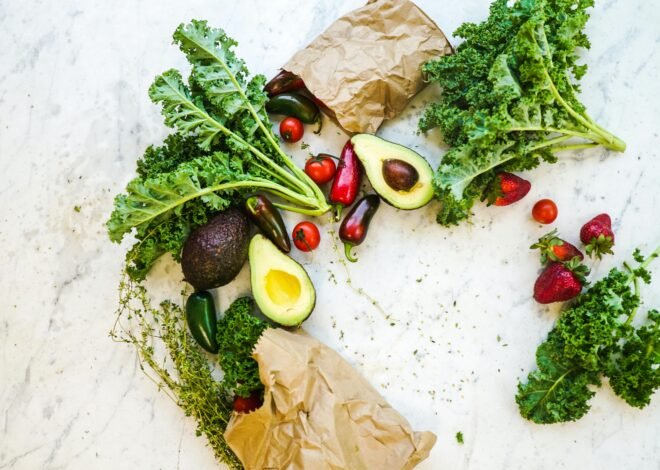
Dark leafy greens — spinach, kale, Swiss chard, and rocket — are some of the most nutrient-dense foods on the planet. They are rich in Vitamins C, K, and E, as well as folate and magnesium — all of which contribute to reducing inflammation.
Colourful foods such as spinach and kale are among the best sources of anti-inflammatory antioxidants.
How to eat them: Raw in salads, sautéed with garlic and olive oil, blended into smoothies, or added to soups and stews.
Recommended amount: At least 2 to 3 cups of vegetables per meal.
7. Broccoli
Broccoli is one of the most powerful anti-inflammatory vegetables. It contains a compound called sulforaphane, which actively blocks inflammatory pathways in the body and has been linked to reduced cancer risk.
It is also rich in Vitamins C and K, fibre, folate, and antioxidants including flavonoids and carotenoids.
How to eat it: Lightly steamed, roasted with olive oil and garlic, or eaten raw with hummus. Avoid overcooking — it destroys the anti-inflammatory compounds.
8. Bell Peppers
Bell peppers — especially red and orange varieties — are extraordinarily rich in Vitamin C and contain quercetin, a powerful anti-inflammatory flavonoid.
Peppers are among the foods with powerful anti-inflammatory effects that may help lower inflammation and reduce the risk of illness.
How to eat them: Raw in salads, roasted, stuffed, or added to stir-fries and soups.
9. Tomatoes
Tomatoes are rich in lycopene — a powerful antioxidant that gives them their red colour and has been shown to reduce inflammation throughout the body. Lycopene is actually more bioavailable in cooked tomatoes than raw ones.
How to eat them: In sauces, roasted, in soups, or as sun-dried tomatoes. Cooking tomatoes with olive oil significantly increases lycopene absorption.
10. Garlic and Onions
Garlic contains allicin — a sulphur compound with potent anti-inflammatory and antimicrobial properties. Onions contain quercetin, one of the most studied anti-inflammatory compounds in the plant kingdom.
Both have been used for centuries as natural medicines and their anti-inflammatory properties are well supported by research.
How to eat them: Add to almost any savoury dish — soups, stews, stir-fries, sauces, and roasted vegetables. Raw garlic has the most potent anti-inflammatory effect.
Category 3 — Healthy Fats
11. Extra Virgin Olive Oil
Extra virgin olive oil is one of the most important anti-inflammatory foods in the Mediterranean diet — widely considered the gold standard of anti-inflammatory eating.
Olive oil contains heart-healthy monounsaturated fat, antioxidants, and oleocanthal — a compound that can lower inflammation and pain. Oleocanthal works in a similar way to ibuprofen — it blocks the same inflammatory enzymes.
How to use it: As a salad dressing, drizzled over vegetables, used in cooking at low to medium heat, or as a dip for bread.
12. Avocado Oil
Like olive oil, avocado oil is rich in monounsaturated fats and Vitamin E. It has a higher smoke point than olive oil, making it a better choice for higher-heat cooking while still providing anti-inflammatory benefits.
13. Fatty Fish — Salmon, Sardines, Mackerel
Fatty fish are arguably the single best food source of omega-3 fatty acids — the most potent natural anti-inflammatory compounds available through diet.
Certain types of fish are rich in inflammation-fighting omega-3 fatty acids, which reduce C-reactive protein and interleukin-6, two inflammatory proteins in your body.
The best sources are salmon, tuna, sardines, anchovies, and other cold-water fish. Aim for at least 3 to 4 ounces, twice a week.
How to eat them: Grilled, baked, poached, or canned. Tinned sardines and salmon are affordable and just as nutritious as fresh.
Category 4 — Nuts and Seeds
14. Walnuts
Walnuts are the most anti-inflammatory of all nuts. They are exceptionally rich in alpha-linolenic acid (ALA) — a plant-based omega-3 fatty acid — as well as polyphenols that directly reduce inflammatory markers.
Studies have associated nuts with reduced markers of inflammation and a lower risk of cardiovascular disease and diabetes.
How to eat them: As a snack, added to oatmeal, salads, or yoghurt. Eat 1.5 ounces of nuts daily — about a handful.
15. Almonds
Almonds are rich in Vitamin E, magnesium, and monounsaturated fats — all of which contribute to reducing inflammation. They are also high in fibre, which supports gut health and indirectly reduces systemic inflammation.
16. Flaxseeds and Chia Seeds
Both flaxseeds and chia seeds are outstanding plant-based sources of omega-3 fatty acids and fibre. They also contain lignans — plant compounds with powerful antioxidant and anti-inflammatory properties.
How to eat them: Ground flaxseeds in smoothies, yoghurt, or porridge. Chia seeds soaked in milk or water as a pudding, or added to smoothies.
Category 5 — Whole Grains and Legumes
17. Oats
Oats contain a unique type of fibre called beta-glucan, which has been shown to reduce levels of CRP — one of the main inflammatory markers in the blood. They are also rich in antioxidants called avenanthramides that are unique to oats.
How to eat them: As porridge, overnight oats, or added to smoothies and baked goods.
18. Beans and Lentils
Beans have several antioxidant and anti-inflammatory compounds. They are a low-cost source of fibre, protein, folic acid, and minerals such as magnesium, iron, zinc, and potassium. Aim for at least one cup, twice a week. Best sources: pinto, black, red kidney, and garbanzo beans.
How to eat them: In soups, stews, salads, curries, or as hummus.
Category 6 — Spices and Herbs
19. Turmeric
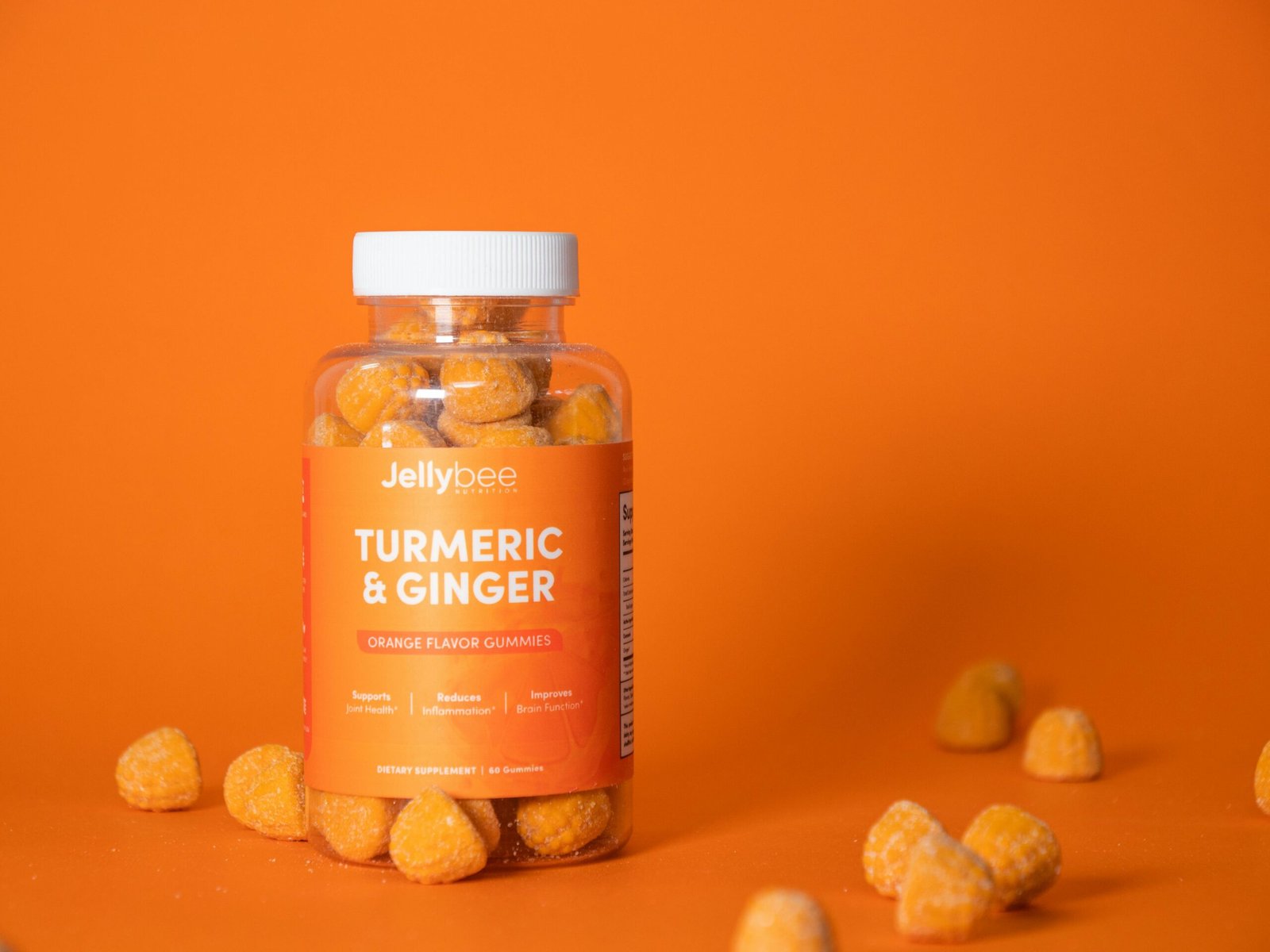
Turmeric is arguably the most researched anti-inflammatory spice in the world. Its active compound — curcumin — has been shown in hundreds of studies to block inflammatory pathways at the molecular level.
It is particularly beneficial for joint pain, arthritis, and gut inflammation. The only drawback is that curcumin is poorly absorbed on its own — always combine turmeric with black pepper, which increases curcumin absorption by up to 2000 percent.
How to use it: In curries, golden milk, soups, smoothies, and roasted vegetables. Always add a pinch of black pepper.
20. Ginger
Ginger contains gingerols and shogaols — compounds with potent anti-inflammatory and antioxidant properties. It is particularly effective for reducing inflammation in the gut and joints.
How to use it: Fresh in teas, stir-fries, smoothies, and soups. Dried ginger in baked goods and spice blends.
21. Cinnamon
Cinnamon is rich in antioxidants and has been shown to reduce levels of inflammatory markers in the blood. It also helps regulate blood sugar, which indirectly reduces inflammation since blood sugar spikes trigger inflammatory responses.
How to use it: In oatmeal, smoothies, yoghurt, baked goods, and hot drinks.
Category 7 — Beverages and Other Foods
22. Green Tea
Green tea is one of the most anti-inflammatory beverages available. It contains EGCG (epigallocatechin gallate) — one of the most potent antioxidant compounds known — along with polyphenols that directly reduce inflammatory markers.
Coffee, which contains polyphenols and other anti-inflammatory compounds, may protect against inflammation as well. Green tea works similarly and has the added benefit of a gentler caffeine effect.
How to drink it: 2 to 3 cups daily, ideally without sugar. Matcha — powdered green tea — contains even higher concentrations of anti-inflammatory compounds.
23. Dark Chocolate
This is the anti-inflammatory food that surprises most people — but the research is clear.
Dark chocolate is among the foods that may help lower inflammation and reduce the risk of illness — enjoying its powerful antioxidant effects is as simple as making your own hot chocolate.
Dark chocolate (70% cacao or above) is rich in flavanols — powerful antioxidants that reduce inflammation, improve blood flow, and protect heart health.
How to eat it: A small piece (20 to 30 grams) of good-quality dark chocolate daily. The higher the cacao percentage, the more anti-inflammatory compounds it contains.
24. Bone Broth
Bone broth contains collagen, glycine, and proline — amino acids that directly reduce gut inflammation and support the integrity of the intestinal lining. Since gut inflammation is closely linked to systemic inflammation throughout the body, bone broth is a particularly valuable anti-inflammatory food.
How to use it: As a warm drink, as the base for soups and stews, or used in place of water when cooking grains.
25. Fermented Foods — Yoghurt, Kefir, Kimchi
Fermented foods are rich in probiotics — beneficial bacteria that reduce gut inflammation and support a healthy immune response. Since roughly 70 percent of the immune system lives in the gut, keeping gut bacteria balanced is one of the most effective ways to control systemic inflammation.
Best sources: Plain Greek yoghurt, kefir, kimchi, sauerkraut, and miso.
How to eat them: Yoghurt with berries and seeds for breakfast, kimchi as a side dish, kefir in smoothies, and miso in soups.
Complete Anti Inflammatory Foods List — Quick Reference
| Food | Key Anti-Inflammatory Compound | Best Way to Eat |
|---|---|---|
| Blueberries | Anthocyanins | Raw, in yoghurt or smoothies |
| Cherries | Anthocyanins | Fresh or tart cherry juice |
| Avocado | Monounsaturated fats, Vitamin E | On toast, in salads |
| Oranges | Vitamin C | Whole fruit |
| Spinach/Kale | Vitamins C, K, E | Raw or lightly sautéed |
| Broccoli | Sulforaphane | Lightly steamed or roasted |
| Bell peppers | Quercetin, Vitamin C | Raw or roasted |
| Tomatoes | Lycopene | Cooked with olive oil |
| Garlic | Allicin | Added to savoury dishes |
| Extra virgin olive oil | Oleocanthal | Drizzled raw or low-heat cooking |
| Salmon/Sardines | Omega-3 fatty acids | Grilled or baked, twice a week |
| Walnuts | ALA omega-3, polyphenols | Handful as a snack |
| Flaxseeds/Chia | Omega-3, lignans | Ground in smoothies or porridge |
| Oats | Beta-glucan | As porridge or overnight oats |
| Beans/Lentils | Fibre, antioxidants | In soups and stews |
| Turmeric | Curcumin | With black pepper in cooking |
| Ginger | Gingerols | In teas, soups, stir-fries |
| Cinnamon | Antioxidants | In oatmeal and warm drinks |
| Green tea | EGCG, polyphenols | 2 to 3 cups daily |
| Dark chocolate | Flavanols | 20 to 30g daily (70%+ cacao) |
| Fermented foods | Probiotics | Daily with meals |
Foods That Cause Inflammation — Avoid These
Just as important as eating anti-inflammatory foods is avoiding the ones that fuel inflammation:
| Avoid | Why It Causes Inflammation |
|---|---|
| Sugary drinks and sodas | Spikes blood sugar, triggers inflammatory response |
| Refined carbohydrates | White bread, white rice, pastries — cause rapid blood sugar spikes |
| Fried foods | Rich in trans fats and advanced glycation end products |
| Processed meats | Sausages, bacon, hot dogs — high in inflammatory compounds |
| Red meat in excess | High in saturated fat which promotes inflammation |
| Margarine and vegetable oils | High in omega-6 fatty acids that promote inflammation |
| Alcohol in excess | Increases inflammatory markers throughout the body |
| Ultra-processed snacks | Contain multiple artificial additives that trigger inflammation |
In addition to filling your diet with anti-inflammatory ingredients, it is essential to limit your consumption of foods that may promote inflammation — such as ultra-processed foods, sugar-sweetened beverages, and refined carbohydrates.
Simple 3-Day Anti Inflammatory Meal Plan
Day 1
Breakfast: Overnight oats with blueberries, chia seeds, and a drizzle of honey Lunch: Grilled salmon salad with spinach, avocado, cherry tomatoes, and olive oil dressing Dinner: Lentil and vegetable soup with turmeric, ginger, and garlic Snack: A handful of walnuts and a piece of dark chocolate
Day 2
Breakfast: Greek yoghurt with strawberries, ground flaxseed, and cinnamon Lunch: Roasted broccoli and bell pepper bowl with brown rice and tahini dressing Dinner: Baked mackerel with steamed kale, roasted tomatoes, and garlic Snack: Orange slices and a cup of green tea
Day 3
Breakfast: Smoothie with kale, frozen cherries, ginger, flaxseed, and almond milk Lunch: Black bean and avocado salad with red onion, lime, and olive oil Dinner: Chicken and vegetable stir-fry with garlic, ginger, and turmeric over brown rice Snack: Apple slices with almond butter and cinnamon
Beyond Diet — Other Ways to Reduce Inflammation
Food is powerful, but it works best as part of an overall healthy lifestyle. Food is not the only way to reduce inflammation in the body. Boost the results of what you eat by maintaining a healthy body weight, getting 30 minutes of physical exercise each day, and managing stress.
Key lifestyle habits that reduce inflammation:
- Regular moderate exercise — 30 minutes most days
- 7 to 9 hours of quality sleep per night
- Stress management — meditation, yoga, deep breathing
- Avoiding smoking — one of the most powerful drivers of chronic inflammation
- Maintaining a healthy body weight — excess body fat actively produces inflammatory compounds
Final Thoughts
Reducing chronic inflammation does not require a complicated diet or expensive supplements. It requires consistent, daily choices — choosing berries over biscuits, olive oil over vegetable oil, grilled salmon over fried chicken, green tea over soda.
Overall, eat a rainbow of fruits, vegetables, whole grains, and legumes — all of which have the anti-inflammatory nutrients your body needs. Fresh, simple ingredients are best since overprocessing may significantly change the nutritional content of foods.
Start with the foods at the top of this list — berries, leafy greens, fatty fish, olive oil, and turmeric — and build from there. Small, consistent changes to your daily diet add up to significant reductions in inflammation over time.